Hagia Font: Elevating Web Design with Elegant Script
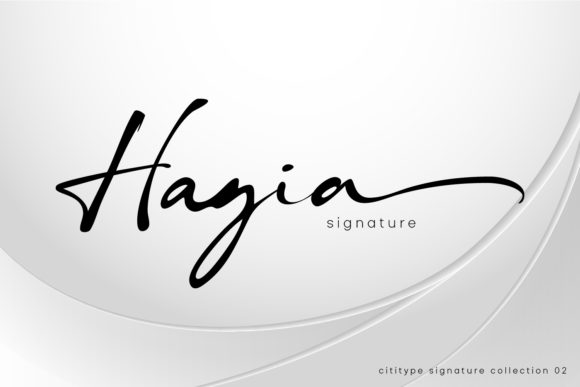
When I first dropped Hagia into the hero section of a boutique coaching website, the entire mood of the layout shifted. As a web designer, I am constantly searching for Fonts that bridge the gap between professional credibility and human warmth. Hagia is a unique, elegant and timeless handwritten font. Distinct and delicate, this font will elevate each of your designs, both formal and casual. This font is PUA encoded which means you can access its full creative potential without technical headaches. In this real-world design scenario, I tested how this Script Handwritten typeface performs across digital touchpoints, from mobile headers to high-conversion landing pages.
Integrating Hagia into Modern Web Layouts
The primary challenge in using any Script Handwritten typeface on the web is maintaining readability while preserving aesthetic appeal. Hagia stands out because it does not feel like a generic default option. When I placed it as the main headline on a service-based landing page, the delicate strokes created an immediate sense of sophistication. Unlike heavier brush scripts that can dominate a interface, Hagia is a unique, elegant and timeless handwritten font. Distinct and delicate, this font will elevate each of your designs, both formal and casual. This font is PUA encoded which means you can access the subtle nuances that make digital typography feel curated rather than automated.
For UI designers, the weight and spacing of a font are critical. Hagia offers a balanced contrast that works exceptionally well against clean, minimalist backgrounds. I found that it performed best when used for short, impactful phrases rather than long paragraphs. This makes it ideal for hero sections, call-to-action overlays, and introductory statements on portfolio sites. The visual hierarchy becomes clear instantly: the eye is drawn to the elegant script, then guided to the supporting sans serif body copy. This dynamic ensures that the user experience remains smooth and intuitive, preventing the cognitive load that often comes with overly decorative Fonts.
Enhancing Brand Identity with Timeless Handwritten Typography
Brand consistency is the backbone of any successful digital presence. When building a brand kit for a lifestyle blogger, I needed a typeface that could translate seamlessly from Instagram graphics to the website header. Hagia proved to be versatile enough to handle both contexts. Because Hagia is a unique, elegant and timeless handwritten font. Distinct and delicate, this font will elevate each of your designs, both formal and casual. This font is PUA encoded which means you can access a wide range of stylistic alternates, I was able to customize logos and social media banners without the text looking repetitive or rigid.
The "timeless" aspect mentioned in the description is crucial for long-term branding. Trends in web design come and go, but a classic script retains its value. Using Script Handwritten elements like Hagia adds a layer of authenticity that standard system fonts cannot replicate. It suggests attention to detail and a personal touch, which is vital for coaches, consultants, and artisans who rely on trust and connection. By incorporating this font into email signatures, digital invoices, and PDF guides, the brand identity feels cohesive and premium. It transforms standard digital assets into something that feels bespoke and carefully crafted.
Optimizing Readability and User Experience on Mobile Devices
One of the biggest concerns when deploying decorative Fonts is how they render on smaller screens. During my testing phase, I viewed the Hagia headlines on various mobile devices to check for legibility issues. The distinct strokes held up surprisingly well, provided that the font size was adjusted appropriately. For mobile hero sections, I increased the line height and ensured there was ample whitespace around the text. This prevented the delicate characters from blending into background images or neighboring elements.
Since Hagia is a unique, elegant and timeless handwritten font. Distinct and delicate, this font will elevate each of your designs, both formal and casual. This font is PUA encoded which means you can access specific glyphs easily, I could swap out certain letters for more readable variants if needed. This level of control is essential for responsive web design. For instance, on a narrow mobile screen, a complex ligature might cause spacing issues. With PUA encoding, fixing these small UX glitches is straightforward. The result is a seamless browsing experience where the typography enhances rather than hinders navigation. Users can scan the content quickly, appreciating the aesthetic without struggling to decipher the message.
Strategic Font Pairing for Digital Product Creators
No font exists in isolation. The success of Hagia in a web layout largely depends on what it is paired with. In my project, I combined this Script Handwritten headline font with a clean, geometric sans serif for the body text. This contrast creates a modern, editorial look that is popular among SaaS founders and course creators. The simplicity of the sans serif allows Hagia to shine as the focal point without competing for attention. If you were aiming for a more traditional or literary vibe, pairing it with a refined serif font could also work beautifully for blog headers or quote sections.
For digital product creators, this pairing strategy extends to sales pages and checkout flows. Using Hagia for testimonial headers or guarantee badges adds a human element to the transactional process. It softens the commercial nature of the page, making the offer feel more inviting. However, it is important to use it sparingly. Overusing a script font can lead to visual fatigue. By reserving Hagia for key emotional triggers—such as the main value proposition or a final call to action—you maintain its impact. This strategic application ensures that the font serves the conversion goals of the page while elevating the overall design quality.
Technical Advantages of PUA Encoded Web Fonts
From a technical standpoint, the fact that Hagia is a unique, elegant and timeless handwritten font. Distinct and delicate, this font will elevate each of your designs, both formal and casual. This font is PUA encoded which means you can access all features without special software is a significant benefit for web developers and designers. PUA (Private Use Area) encoding allows for easy access to swashes, ligatures, and alternates directly within design tools like Figma, Adobe XD, or CSS implementations. This streamlines the workflow, reducing the time spent on manual adjustments.
When preparing Fonts for web use, file format and loading speed are also considerations. Ensuring that the webfont files are optimized for fast loading is crucial for maintaining good Core Web Vitals scores. Hagia, being a Script Handwritten typeface, typically has a manageable file size if subsetted correctly. This means you can enjoy the aesthetic benefits of a premium font without sacrificing site performance. For client projects, this reliability is key. It allows designers to promise a high-end look without worrying about technical bottlenecks or compatibility issues across different browsers and operating systems.
Ultimately, choosing the right typeface is about more than just aesthetics; it is about communication. Hagia communicates elegance, care, and professionalism. Whether you are redesigning a blog, launching a new online store, or refreshing a corporate portfolio, this font offers the flexibility and style needed to stand out in a crowded digital landscape. By understanding its strengths and applying it with intention, you can create web experiences that are not only visually stunning but also deeply engaging for your audience.